Exercise for your age
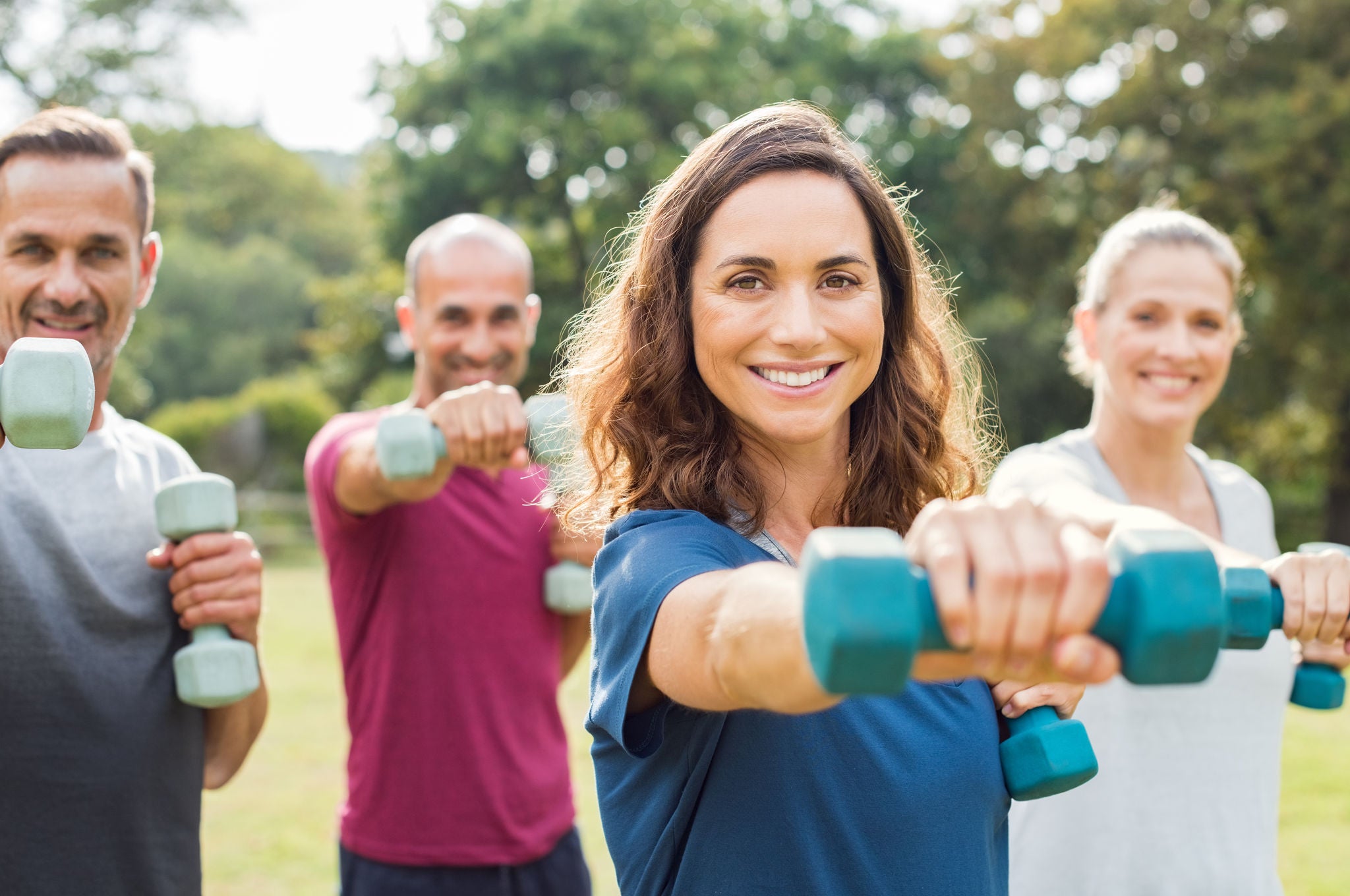
We all know exercise is good for you. The benefits are many, like reducing the risk of chronic disease, improving cardiovascular health, increasing bone growth and helping keep weight in check. And exercise can positively impact mental health too.
“Physical activity releases feel-good chemicals in the brain,” said Wellmark Employer Health and Well-being Consultant Amy Gould. “These chemicals improve mood and boost self-esteem, even help us sleep better.”
How much exercise do you need? And what kind?
Current guidelines suggest 150 minutes of moderate-intensity physical activity (or 75 minutes of vigorous-intensity activity) each week for adults. Seems like a lot, but when you break it down, it’s easier than you think. Consider exercising 22 minutes a day seven days a week or 30 minutes a day five days a week. Make sure two of those days focus on muscle-strengthening exercise.
It's also important to keep your heart rate up during exercise. Experts say your target heart rate during moderate-intensity activity should be 50-70 percent of your maximum heart rate (220 minus your age). For vigorous-intensity activity, it’s 70-85 percent.
When it comes to getting the right kind of exercise, age matters. But it’s best to include a mix of cardio, strength training and flexibility or balance training.
A guide to get moving the right way for your age
In your 20s and 30s
Exercising in your 20s and 30s is about building muscle and bone mass. You can also significantly reduce the risk of cardiovascular disease, type 2 diabetes and some types of cancer. And this is the time to build good exercise habits that will stick.
- Cardio: bootcamp-type classes, spin classes, jumping rope, running, pickleball, basketball or volleyball leagues
- Strength training: free weights and resistance bands
- Flexibility or balance exercises: yoga and barre
High-intensity interval training (HIIT) is a great way to combine cardio and strength training. In a HIIT workout, you alternate short bursts of high-intensity activity with periods of rest or low-intensity activity.
Exercise during pregnancy benefits mom and baby
Exercise can have great benefits for pregnant women at any age — reducing the risk of gestational diabetes, preeclampsia and preterm birth. It benefits baby too. Exercise impacts healthy fetal growth and development.
In your 40s and 50s
Physically, things are starting to slow down in your 40s and 50s, like your metabolism, making weight gain likely. Especially around the middle. To complicate matters, people lose height each decade.
“As we age, our muscle mass declines,” said Gould. “This is especially true for women going through menopause. But you can fight the decline with some strength training. Focused strength-building exercises will also help with balance and agility.”
- Cardio: tennis, brisk walking, hiking, swimming, dancing, biking, rock climbing
- Strength training: squats, lunges, bench press, push-ups and pull-ups
- Flexibility or balance exercises: tai chi, single-leg stands, core-strengthening routines
Take control of your health with Wellmark Connect
Wellmark Connect powered by WebMD® is a free, personalized digital platform available through myWellmark that offers anytime, anywhere access to health content, podcasts, recipes, habit-tracking tools and more!
In your 60s and beyond
As you age into your 60s and beyond, arthritis, osteoporosis and bad knees due to thinning cartilage around joints may make exercise painful. Listen to your body. Exercises that don’t jar or stress joints are best. Regular exercise can prolong living independently and reduce the risk of developing dementia (including Alzheimer's disease).
- Cardio: walking, water aerobics, recumbent biking
- Strength training: building muscle with body weight or weightlifting using lighter weights and slow, controlled movements with sustained stretching
- Flexibility or balance exercises: chair exercises like knee extensions and sit-to-stands
The key for older adults is to keep moving. Playing with grandkids, household chores and gardening count. Consider group fitness classes for your mental health — the sense of community is a great benefit. You could also form your own accountability group to socialize and stay on track with your exercise regimen.
It’s always a good idea to talk to your primary care provider before starting an exercise program or incorporating a new type of exercise into your existing routine.
Log in to myWellmark to find an in-network primary care provider near you.