10 nutritious foods to add to your diet today
Creating a healthy meal plan may seem like a daunting task. Let's simplify things by focusing on ten nutrient-dense foods you can build your diet around. This top 10 list offers endless possibilities for delicious and nutritious meals.
1.
Dark leafy greens
Dark leafy greens, like kale, spinach and bok choy are packed with vitamins A, C, E and K and nutrients like iron, magnesium and calcium. As a high-volume, low-calorie food, dark leafy greens are the perfect way to add color, variety and more food to your plate while still meeting your dietary goals.
On top of all the vitamins and nutrients they contain, a study from the National Library of Medicine found that consuming approximately one serving of leafy greens daily may help slow cognitive decline as you age.
Salads aren’t the only way to reach your leafy green goal. Try adding a handful of spinach to your pasta or morning smoothie. It’s easy to sneak extra greens into your diet.
2.
Cruciferous vegetables
These vegetables include cauliflower, broccoli, Brussels sprouts and more. Like leafy greens, cruciferous vegetables contain vitamins A, C, E and K. Trace minerals, minerals you need in small amounts to maintain good health, such as iron, copper and zinc are found in cruciferous vegetables as well.
Cruciferous vegetables are an excellent source of fiber, which plays an important role in gut and digestive health. The American Heart Association recommends consuming 25–30 grams of fiber (from foods not supplements) daily.
3.
Beans and legumes
Legumes are a broad category 3/4 covering beans like kidney, black, soy and garbanzo, along with peas, lentils and peanuts. Like cruciferous vegetables, legumes are rich in fiber, vitamins and minerals.
Beans and legumes are a main source of plant-based protein. They have similar nutrients to meat, minus the high iron and saturated fat. You can add legumes to almost any meal for bonus nutrients. Some popular (and delicious) legume-based dishes you can whip up include chili, hummus and black bean burgers.
If you don’t like the taste of beans but want the added nutrients and protein, consider blending them in a food processor and adding them to soups and sauces for a thicker texture and more balanced flavor.
4.
Fish
Seems fishy to not add this nutrient-packed food to your diet! Especially when fish are a great source of protein and rich in omega-3 fatty acids and vitamins D and B2.
Fatty fish contain higher levels of omega-3 fatty acids, which have more health benefits for the heart. These include salmon, cod, lake trout, herring and canned, light tuna. If you haven’t cooked with fish before and are slightly intimidated, start by adding a can of tuna or salmon to your favorite pasta dish. Or use an oil-based marinade on your fish before you cook it to experiment with flavor.
5.
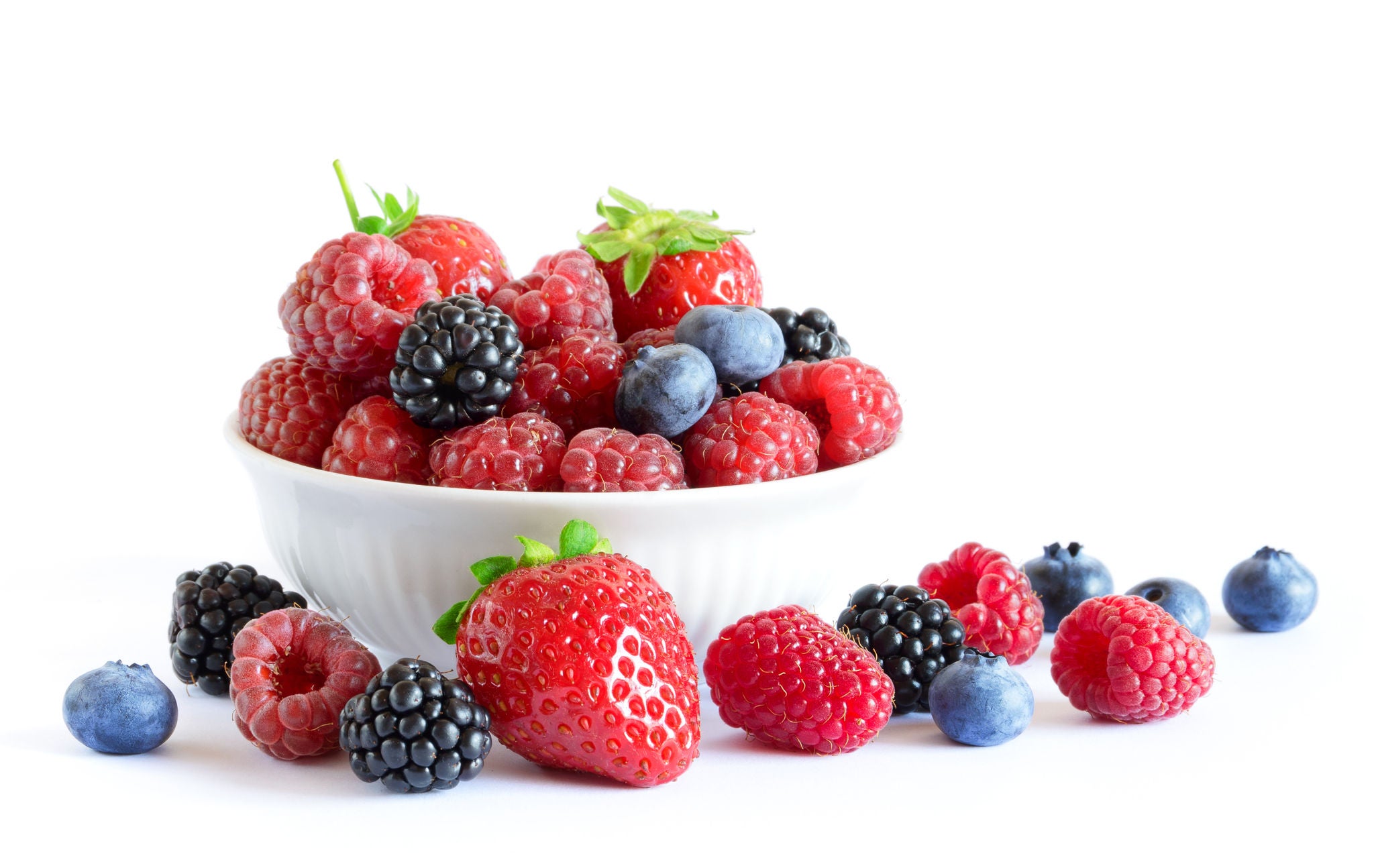
Berries
Rich in vitamins C, K, B9 and B2, berries aid in cell and immune system function. Strawberries, blackberries, raspberries and blueberries are also excellent sources of fiber.
Studies suggest the antioxidants, anthocyanin and caffeic acid in berries help fight against neurodegenerative disorders like Alzheimer’s and Parkinson’s.
Berries are one of the simplest foods on this list to add to your diet. Throw them in a smoothie, dip them in chocolate or simply have some as a snack.
Do more for your health with Wellmark Connect
Check out Wellmark Connect powered by WebMD®, a free, personalized digital platform available through myWellmark that offers anytime, anywhere access to health content, podcasts, recipes, habit-tracking tools and more! Take the online Wellness Assessment and get a personalized health report with clear, actionable steps to meet your well-being goals.
6.
Lean meats
Lean meats, including chicken and turkey, provide protein with less saturated fat than traditional red meats. Certain cuts of red meat, such as pork and beef sirloin, are also categorized as lean.
Like fish, you can add flavor to lean meats by marinating before cooking. Different spices, herbs and cooking methods can also add variety to lean meat dishes.
7.
Whole grains
The carbohydrates we consume are either whole grains or refined grains. Whole grains retain all three parts of their kernels — bran, endosperm and germ. Refined grains contain only endosperm.
Consumption of whole grains has been linked to a lower risk of heart disease, high blood pressure and diabetes.
Experts recommend consuming five to eight ounces of grain daily. Try incorporating one source of whole grains into each meal when possible.
8.
Eggs
Good for more than a quick breakfast, eggs are chock-full of vitamins A, D and E, plus six grams of protein per egg.
Aside from being a protein-packed staple, eggs are an easy-to-add addition to any meal. Try some hard-boiled eggs on your next salad or whip up your favorite egg salad recipe.
9.
Yogurt
Yogurt provides you with protein, calcium and probiotics. These nutrients help prevent hypertension and maintain healthy blood pressure.
The probiotics found in yogurt also promote digestive health by keeping an appropriate balance of different kinds of bacteria in the digestive tract. Look for yogurts that contain “active cultures.” This means they contain probiotics.
Pair yogurt with berries for a nutritious, delicious breakfast or snack.
10.
Chia seeds
Chia seeds are a unique food. Packed with fiber and omega-3 fatty acids, they can help with weight loss and diabetes prevention.
Chia seeds can hold 12 times their weight in liquid, which gives them a thick, gel-like texture when soaked. Add chia seeds to overnight oats or a yogurt bowl for an easy, nutrient-dense option.
We all need nutrients
Maintaining a healthy, nutritious diet is crucial for everyone at every age. By prioritizing these nutritious foods now, you're investing in a healthy today and tomorrow.