What is sleep hygiene?
22946_768x512_Blue-newsletter-March-Sleep-Health.jpg
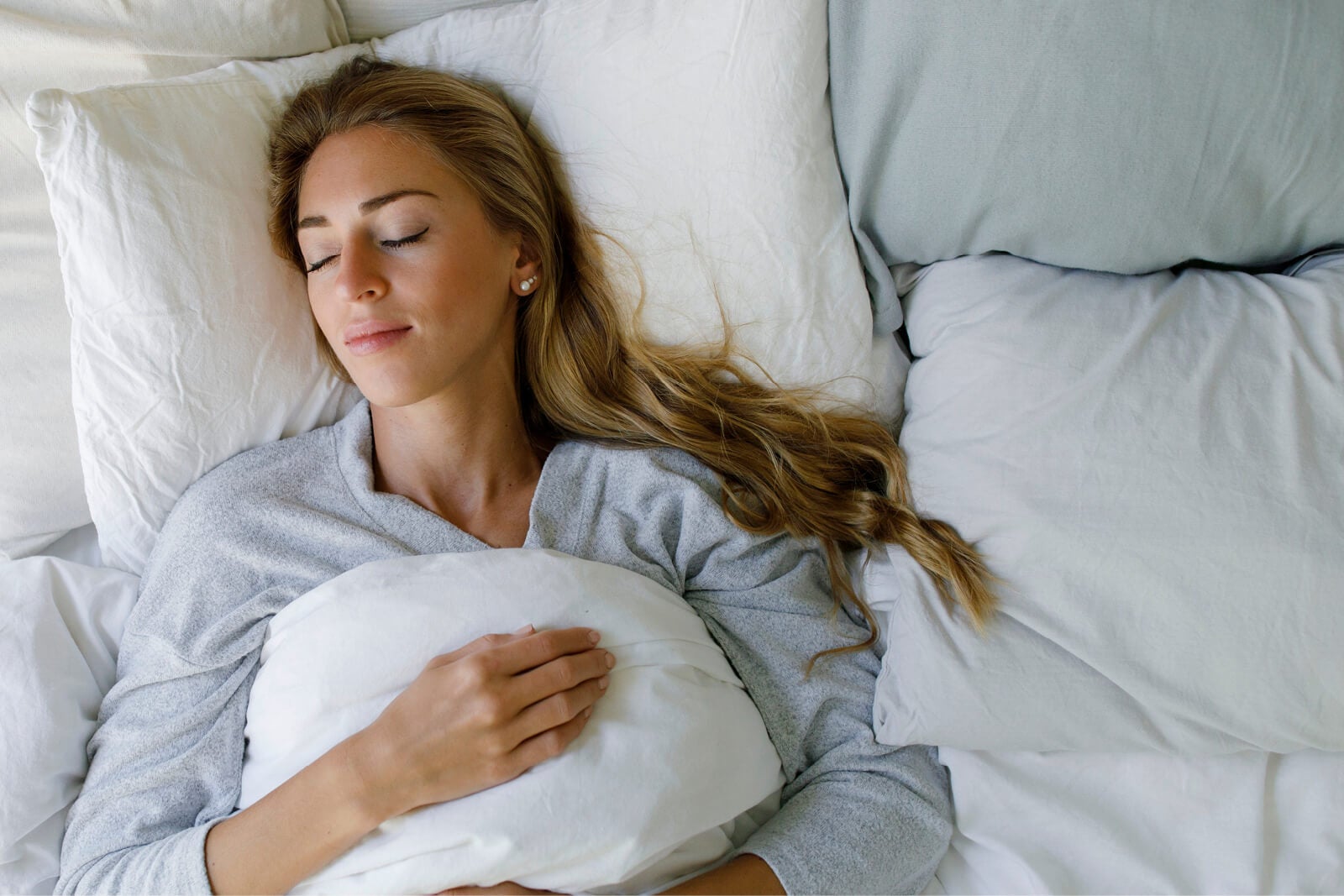
How well do you sleep at night? Are you tossing and turning and still waking up feeling tired? Getting enough quality sleep helps the brain and body develop and function properly. Practicing good sleep hygiene can help prevent mental fog and illness, while also helping you thrive socially and emotionally.
What does sleep hygiene mean?
Sleep hygiene refers to the environment and habits you keep that promote good sleep. These habits include the activities you do during the day, how you get ready for bed, the food you eat and your daily schedule.
Having good sleep hygiene ensures your body remains healthy by maintaining essential functions like your immune system and digestion. Not getting enough quality sleep can lead to physical and mental exhaustion, which impacts your mental and physical well-being.
Not getting good quality sleep can lead to:
- Loss of focus and memory problems
- Physical weakness
- Weakened immune system and frequent illness
- Increased risk of depression
- Increased risk of stroke
- Car and work accidents
- Mood swings
- Hallucinations
What does good sleep look like?
According to the Sleep Foundation, you are getting good sleep if you fall asleep easily, remain asleep throughout the night and wake up feeling well-rested. The recommended amount of sleep you should get each night varies by age, but the average adult should get seven to nine hours of sleep per night.
When you sleep, your brain moves through four stages of sleep, known as a sleep cycle. During your sleep cycle, you experience two types of sleep: non-REM and REM sleep. REM stands for rapid eye movement and is the last stage of your sleep cycle when you experience vivid dreams and your brain forms your memories. For adults, one sleep cycle lasts for about 90 minutes and will repeat multiple times throughout the night.
Ways to improve your sleep hygiene
Because sleep greatly impacts our health, it’s important to make getting quality sleep a priority. By taking steps to practice better sleep hygiene, you’ll find yourself falling asleep faster and waking up more rested each day.
1.
Cozy-ify your bedroom
Adjusting your bedroom to be the comfiest and most relaxing space is one way you can improve your chances of getting good sleep. Make sure your mattress and pillow are the correct firmness for your sleeping position and use blankets without irritating textures. Use lighting that can be dimmed and block out any access light with black-out curtains or an eye mask. Keeping your room at a cooler temperature can also help you drift off faster. Avoid doing anything in bed other than sleeping to help your brain recognize the relationship between your bed and going to sleep.
2.
Establish and keep a sleep schedule
One reason you may be waking up tired is because you aren’t going to bed and waking up at the same time every day. Staying consistent with your sleep schedule helps your body naturally prepare for sleep at the correct time. Once you have an established sleep schedule, your body will often wake you up at the correct time each morning, even without an alarm.
3.
Create a night-time routine
Taking time to relax before bed and creating a night-time routine can help you mentally prepare for good sleep. This might include taking a shower, putting on pajamas, brushing your teeth and setting out your clothes for the next day. This routine will look different for everyone, but sticking to the same routine can help your body recognize that it’s bedtime and help you fall asleep faster.
4.
Exercise
Exercising during the day is great way to expel your energy and clear your mind, which can help you sleep better at night. Studies have shown that those who get at least 30 minutes of moderate exercise experience better sleep than those who don’t. Physical activity can also reduce the severity of sleep disorders like insomnia and sleep apnea.
5.
Reduce electronics use before bedtime
Most technology emits blue light that can disrupt your body’s natural production of melatonin, the hormone that helps you fall asleep. Blinking lights and sounds from your phone can also keep you up throughout the night, so either turn off all notifications or keep your phone in another room overnight.
6.
Eat a healthy diet
Eating a balanced diet helps your body stay on track and produce the hormones needed to sleep soundly. A balanced diet can also prevent you from developing conditions that make it difficult to get good sleep such as obstructive sleep apnea. You should avoid eating a heavy meal close to bedtime or drinking anything caffeinated later in the day, as these can stall natural melatonin production and stimulate your digestive system.
7.
Avoid nicotine and alcohol
Nicotine is a stimulant, which can disrupt your sleep and contribute to other health conditions that impact your sleep. Drinking alcohol before bed can sometimes lead to falling asleep faster but it prevents your body from reaching the deep sleep stages in your sleep cycle that are critical for good health.
8.
Use sleep aids only when needed
Occasionally, you may need the help of an over-the-counter sleep aid to fall asleep. There are many options available at your local pharmacy and they often come in different forms.
Regardless of the sleep aid you use, be sure to look at the suggested dose information and talk to your primary care provider about what you take, as some sleep aids can interact with medications or be harmful to people with certain conditions.
Concerned about your sleep?
If you regularly wake up feeling exhausted after a full eight hours, it may be time to consider a sleep study. A sleep study — whether at home or in a facility — can help you get answers and start enjoying some shut-eye again. Get the facts about sleep studies and learn your coverage options.
Using melatonin, magnesium and other supplements
In recent years, there has been a rise in the use of melatonin and magnesium as over-the-counter sleep aids. Melatonin, a hormone your body produces to help you fall asleep, has become especially popular. It is widely available and often comes in gummy form, making it more attractive for parents to give to their children.
Magnesium, an essential mineral your body needs to process energy and maintain nerve function, has become a popular supplement used as a sleep aid. Magnesium can be found in foods such as leafy greens, seeds, nuts and salmon. You can find different types of magnesium in supplement form but magnesium glycinate is the best to use for sleep.
While there is evidence that both melatonin and magnesium can help support quality sleep with minimal side effects, there are some risks to using supplements as sleep aids.
The risks of sleep supplements
Supplements are not regulated by the Food and Drug Administration (FDA) like other over-the-counter medications. This means the ingredients of these supplements are not verified or tested by the FDA. Because the ingredients aren’t regulated, the dosages found in sleep supplements are often inconsistent and larger than what is needed to be effective.
Consult your primary care provider before taking any sleep supplements; they can help you determine the correct dosage and any interactions these supplements may have with your prescription medication. If you do decide to use sleep supplements, look for the United States Pharmacopeia (USP) Verified Mark, which means that product uses high-quality ingredients and is manufactured using FDA standard practices. It’s also a good idea to start with small doses and not use the sleep supplement every night, as your body can build up tolerance and require a higher dosage as time goes on.
Still not sleeping well?
If you’re still battling tiredness during the day after trying out these tips, there may be another explanation. Your annual wellness exam is a great time to talk to your primary care provider about your sleep quality.
Need help finding a provider? Register for myWellmark or log in to find quality care that’s close to you. With myWellmark you can also:
- Check quality scores and reviews of health care providers with locations closest to you.
- Know what your visits will cost before you go.
- And, much more.
Article resources