HPV protection for kids: what parents should know
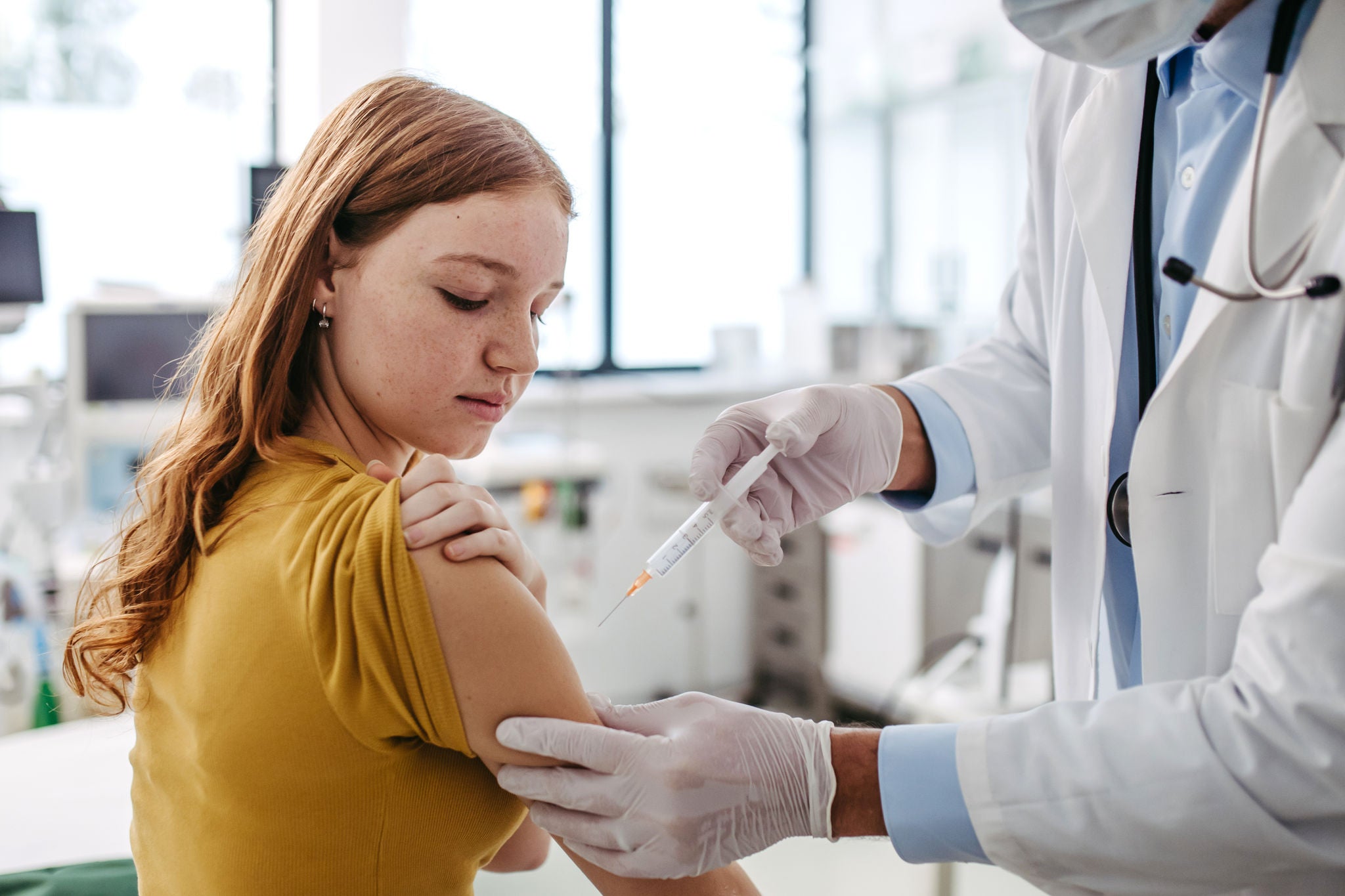
Between extracurricular activities, family time, work and school, fitting in a visit to the doctor might feel impossible. But when it comes to the health of your child and decreasing their risk for certain cancers, it’s important you find the time.
Here’s why you should schedule your child’s annual wellness visit and talk to their doctor about starting their HPV vaccine as early as age 9.
What is HPV?
Human Papillomavirus (HPV) is a common infection that has been linked to six types of cancer, including:
- Cervical
- Oropharyngeal (includes tonsils, throat and back of the tongue)
- Anal
- Penile
- Vaginal
- Vulvar
According to the Centers for Disease Control and Prevention (CDC), nearly 36,000 cancer cases — in both males and females — each year are caused by HPV. Luckily, since the HPV vaccine was introduced in 2006, it has been shown to be effective in preventing 90 percent of HPV-related cancers.
The HPV vaccine is safe, effective and can be administered by your child’s primary care provider (PCP) during their annual wellness visit or sports physical.
Find an in-network provider for your child today
Regular visits to your child’s primary care provider help keep vaccines on schedule. If they don’t have one yet, myWellmark makes it simple to find a trusted in-network provider. Log in and start your search today.
The HPV vaccine is an effective way to protect your child from the virus and reduce their risk of developing cancer later in life. Here are a few frequently asked questions about the HPV vaccination and who should get vaccinated.
Is your child up to date on all their preventive care?
Even after your child completes the HPV vaccine series, it’s important they continue see their PCP for preventive care. Establishing this routine with your child not only gives them the opportunity to develop a strong relationship with their provider but also learn healthy habits that will continue into adulthood.
Not sure if your child is caught up? Check out this childhood preventive care checklist from the American Academy of Pediatrics and schedule your child’s annual wellness exam.