Medicare enrollment periods you need to know

Do you know when you can sign up for Medicare?
Medicare enrollment periods can vary, so staying informed is a smart step toward making confident coverage decisions. Whether you’re nearing age 65 or you want to change your current Medicare coverage, here are the Medicare enrollment deadlines you need to know.
If you’re new to Medicare
Whether you're approaching age 65 or navigating eligibility due to a disability, understanding Medicare enrollment periods is key to avoiding late penalties and gaps in coverage. You’ll first be able to enroll in Medicare during your Initial Enrollment Period.
Initial Enrollment Period
The Initial Enrollment Period is a 7-month window around your 65th birthday when you can sign up for Original Medicare, which includes Medicare Part A (hospital coverage) and Medicare Part B (medical coverage).
Original Medicare doesn't cover everything. Your Initial Enrollment Period is a great time to consider additional coverage for prescription drugs, dental, vision, hearing and other medical expenses. You can also enroll in Medicare Part D, Medicare Advantage or Medicare Supplement (Medigap) plans during your Initial Enrollment Period.
When it happens:
Your Initial Enrollment Period occurs three months before your 65th birthday, includes your birthday month and continues three months after. For example: if your birthday is in July, your Initial Enrollment Period would begin in April and end in October.
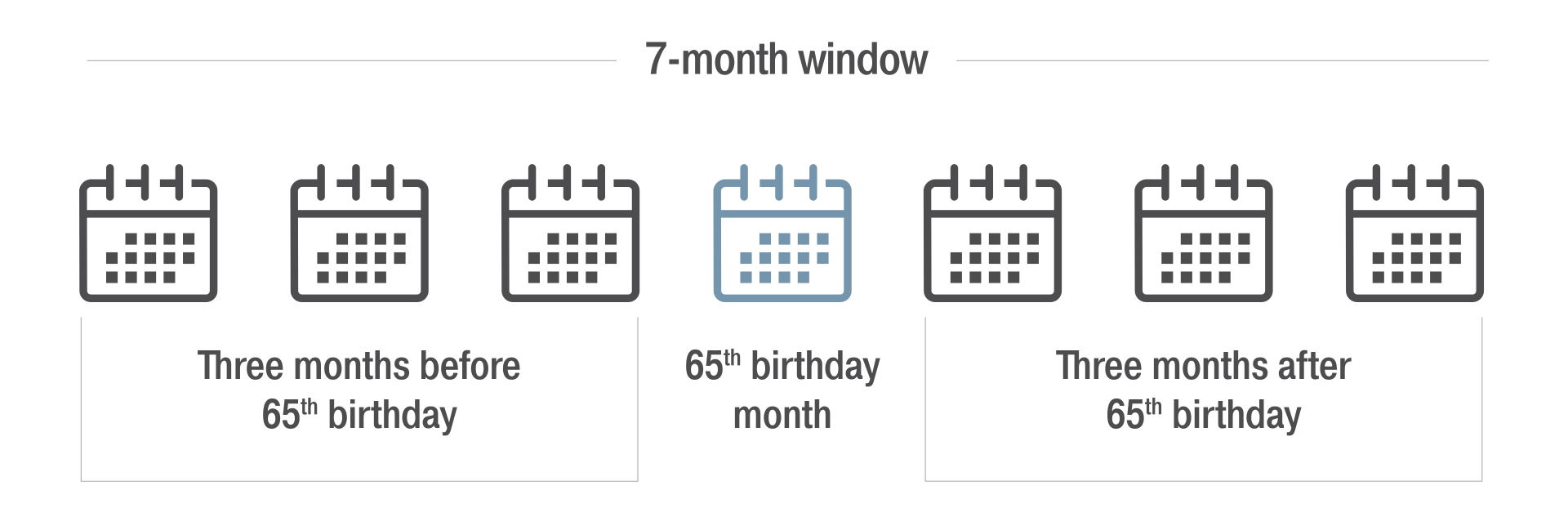
Infographic showing a 7‑month Medicare enrollment window that begins three months before a person’s 65th birthday month, includes the 65th birthday month, and ends three months after the 65th birthday month.
Who should consider Medicare plan options during this period:
- People nearing age 65 who are eligible to enroll in Medicare for the first time.
- People collecting Social Security benefits for at least four months before their 65th birthday and not working — you'll automatically be enrolled in Medicare Parts A and B. If you’re not yet collecting Social Security benefits, you can visit the Social Security website or call 800-772-1213 to get signed up.
- People who have coverage through an employer should sign up for Part A and may be able to delay signing up for Part B. You’ll just need to remember to sign up for Part B within eight months of leaving your job or losing coverage, or you may have to wait until the General Enrollment Period to sign up for Medicare and risk a late enrollment penalty.
Learn more about your Medicare coverage options
There’s so much more to know about Medicare. Our free Medicare Supplement Coverage Guide breaks down each part of Medicare, enrollment periods and how to pick the right plan.
Medicare's General Enrollment Period
If you didn’t sign up for Medicare during your Initial Enrollment Period, you can enroll during the General Enrollment Period.
When it happens:
The General Enrollment Period happens every year from Jan. 1 to March 31. If you sign up during this period, your coverage will be effective on the first day of the month following enrollment.
Who should consider their plan options during this period:
- People turning 65 who are enrolling in Medicare for the first time and didn’t sign up during their Initial Enrollment Period can sign up during the General Enrollment Period. Keep in mind, if you missed your Initial Enrollment Period and enroll in Original Medicare during the General Enrollment Period, you may still be subject to late enrollment penalties.

Infographic showing a Medicare enrollment period from January 1 through March 31, illustrated with calendar icons for January, February, and March and labeled “Enroll from Jan. 1–March 31.”
If you already have a Medicare plan
If you’re already enrolled in Medicare, it's a good idea to regularly review your options to make sure your coverage still fits your needs.
Each year, Medicare offers specific time periods to review and adjust your plan. Whether you're looking to add a Medicare Supplement plan to your Original Medicare coverage, update your prescription drug coverage or explore new benefits, this section outlines the key enrollment periods that apply to you. Knowing these dates will help you avoid coverage lapses and help ensure your plan supports your health needs and budget.
Annual Enrollment Period
The Annual Enrollment Period is the dedicated time each year for you to review your Medicare plan options to make sure you have a plan that fits your budget and coverage needs. During this time, you can:
- Drop your Medicare Advantage plan or Part D prescription drug plan and return to Original Medicare.
- Switch from your current Medicare Supplement plan to a new Medicare Supplement plan,
- Switch from your current Part D prescription drug plan to a new Part D plan.
- Add a Medicare Supplement Plan and Change from Original Medicare to Medicare Advantage or enroll in a Part D plan.
When it happens:
The Medicare Annual Enrollment Period happens every year from Oct. 15 through Dec. 7. Any changes you make will go into effect on Jan. 1. Review all your Medicare coverage options to make sure you have a plan that’s right for you.

Infographic showing Medicare enrollment dates. Individuals can enroll between October 15 and December 7, with coverage beginning on January 1.
Who should consider their plan options during this period:
If you're interested in reviewing your options for Medicare coverage, or you're not satisfied with your current plan, the Annual Enrollment Period is the time to review your options.
Medicare Advantage Open Enrollment Period
If you have a Medicare Advantage plan, you can change plans during the Medicare Advantage Open Enrollment Period. During the Open Enrollment Period, you can:
- Switch to a different Medicare Advantage plan with or without prescription drug coverage.
- Drop your Medicare Advantage plan and go back to Original Medicare.
- Enroll in a standalone Part D prescription drug plan if you switch back to Original Medicare
When it happens:
The Medicare Advantage Open Enrollment Period happens every year Jan. 1 through March 31. Your new coverage will be effective the first day of the month after you make your plan changes.
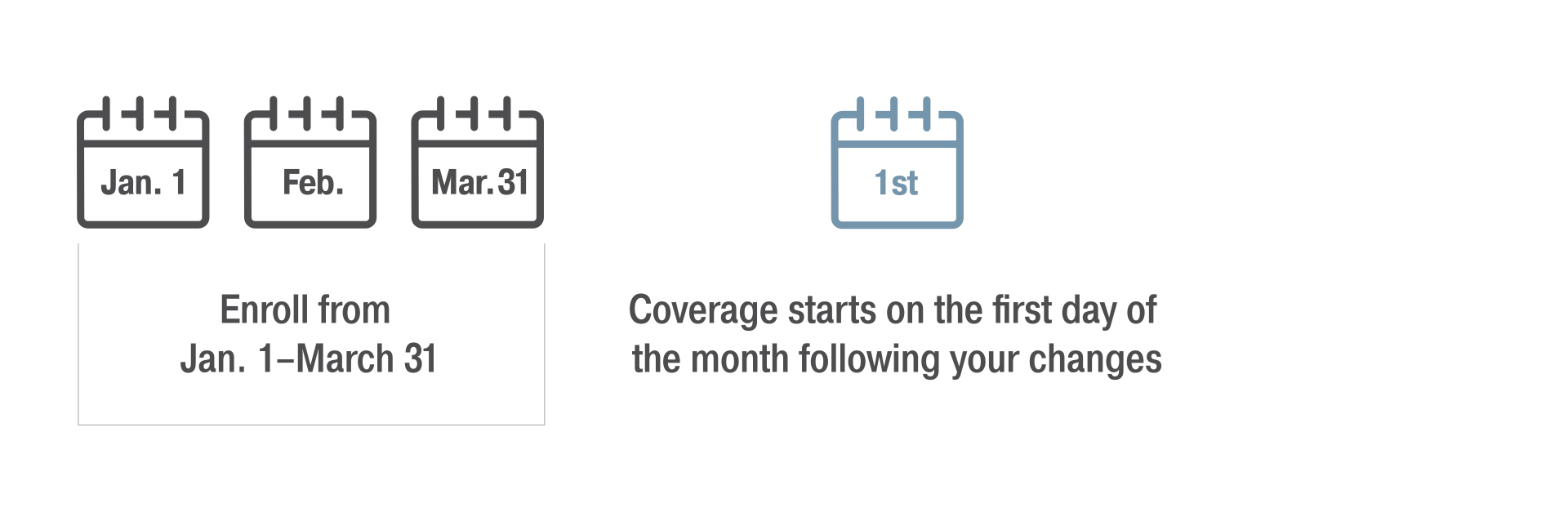
Infographic showing a Medicare enrollment period from January 1 through March 31. Coverage begins on the first day of the month following any plan changes made during that enrollment period.
Who should consider their plan options during this period:
If you already have a Medicare Advantage plan and want to consider different coverage, you can do so during this time. With a Medicare Advantage Plan, you're not enrolled in Original Medicare, so this enrollment period is not for people who are only enrolled in Medicare Parts A and B.
Medicare Special Enrollment Period (SEP)
A Special Enrollment Period allows you to enroll in new coverage outside of the usual enrollment periods — typically after a qualifying life event.
When it happens:
A Special Enrollment Period can happen at any time of the year. Depending on your type of Special Enrollment Period, you may have 60 days before or after the event to review your options and select new coverage.
Who should consider their plan options during this period:
If you've experienced a special circumstance, like a move to a different state or the loss of employer-sponsored health insurance coverage, you may qualify for a Special Enrollment Period.
Find the right Medicare coverage for you
Choosing the right health plan is about more than just coverage — it’s about peace of mind. Whether you're retiring, exploring new plan options or seeking expert guidance, Wellmark is here to support you every step of the way. Explore Medicare Supplement plans today.
Disclosures
All Wellmark Medicare Supplement plans are subject to restrictions and may be discontinued. For costs and complete coverage details, call your local agent or Wellmark.
Wellmark MedicareBlue Supplement plans are specific to Wellmark Blue Cross and Blue Shield of Iowa and Wellmark Blue Cross and Blue Shield of South Dakota and can only be purchased by Iowa and South Dakota residents, respectively. MedicareBlue Supplement plans are not connected with or endorsed by the U.S. government or the federal Medicare program. This is a solicitation of insurance. Wellmark Blue Cross and Blue Shield of Iowa and Wellmark Blue Cross and Blue Shield of South Dakota are independent licensees of the Blue Cross and Blue Shield Association.
Article resources
Medicare.gov — When can I sign up for Medicare?
BoomerBenefits.com — Medicare Enrollment Periods
Forbes.com — So Many Medicare Enrollment Periods! Which One Is Right For You?
Medicare.gov — Joining a health or drug plan
Medicare.gov — Special circumstances (Special Enrollment Periods)