What does “sober-curious” mean?

At some point in the past few years, you may have heard the term “sober-curious” online and wondered what it meant. According to the Alcohol and Drug Foundation, the movement’s name comes from Ruby Warrington’s 2018 book, “Sober Curious: The Blissful Sleep, Greater Focus, Limitless Presence, and Deep Connection Awaiting Us All on the Other Side of Alcohol.”
The sober-curious movement encourages individuals to question the normalization of drinking alcohol, reflect on their own drinking, improve their health and create less risky alcohol habits overall.
Health benefits of the sober-curious movement
You may have heard alcohol isn't the best choice for your health, but what are the actual benefits of steering clear of it? (Spoiler: there are many.)
Physical benefits of cutting out alcohol, even temporarily, include:
- Lower blood pressure. Heavy drinkers who cut back on alcohol intake can expect their blood pressure to go down.
- Restful sleep. Sixty-one percent of United States adults surveyed say they sleep better when they don’t drink.
- A stronger immune system. Alcohol weakens the immune system. When you cut out drinking, it can begin to repair itself.
- Potential weight loss. All alcohol contains calories. Depending on how much you’re drinking, and your weight loss goals, cutting out alcohol could lead to weight loss.
There are mental health benefits that come with eliminating alcohol intake as well, such as:
- Healthier relationships. You may find it easier to maintain relationships with friends and family when you give up alcohol.
- Improved memory. Although drinking can cause the memory-processing part of the brain (the hippocampus) to shrink, this begins to reverse itself when drinking stops.
- Better mental health. Individuals with depression often see an improvement in their symptoms within the first few weeks of cutting out drinking.
- Reduced stress. While alcohol may make you feel calm in a stressful moment, it can lead to a cycle of anxiety and drinking if used to cope. You’ll notice less stress when you break this cycle completely.
Make the most of your mental health
Quitting drinking is one way to improve your mental health, but it isn’t the only way. Wellmark offers mental health resources that can help you get the care you need. Take a screening for depression and anxiety, find a mental health provider and more.
Experiment with sober-curious drinks
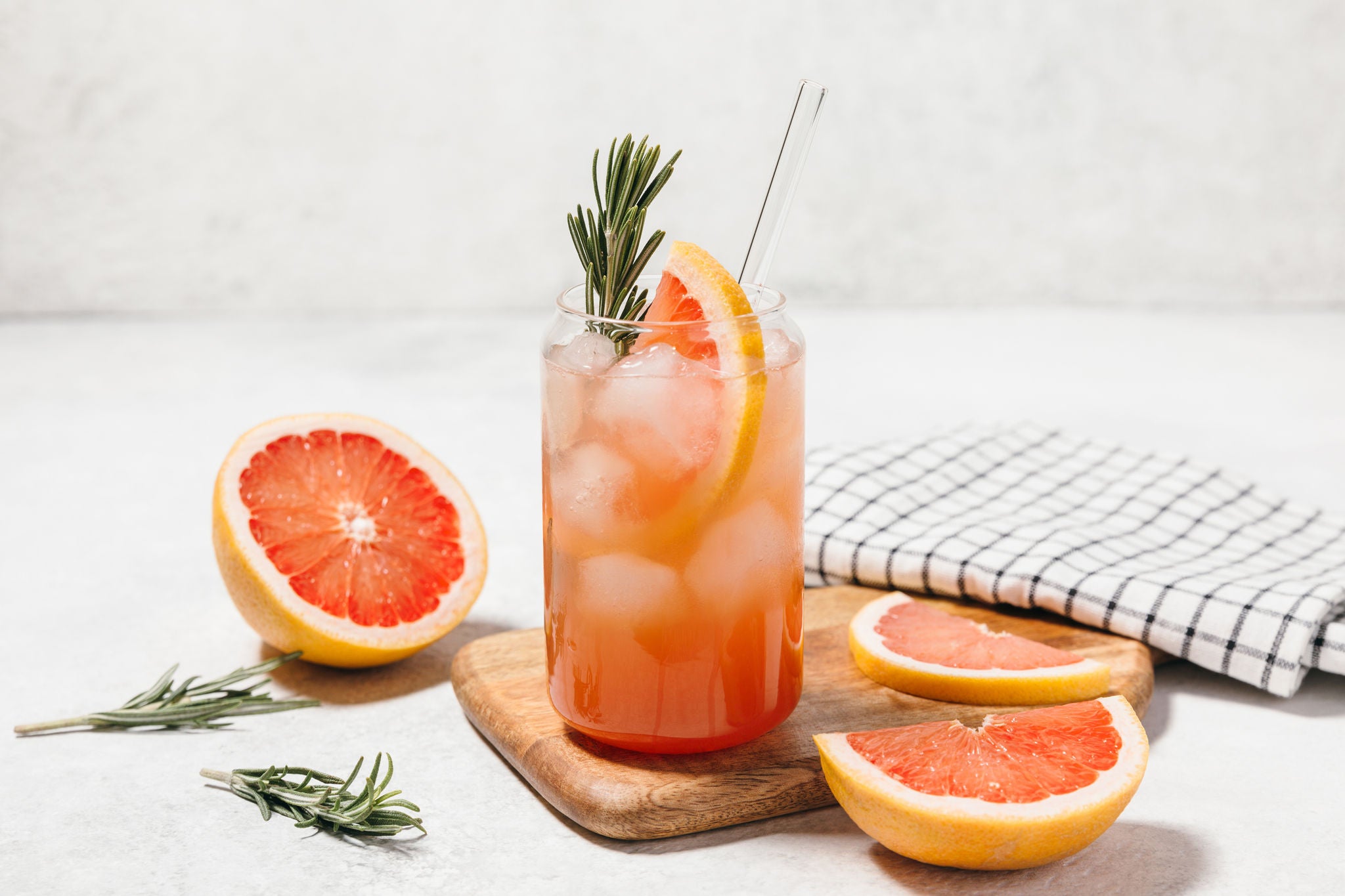
Being sober-curious doesn’t mean you can’t have a fun beverage — or even that you can’t enjoy a drink at a bar. As the movement continues to grow, so do the creative ways you can enjoy yourself while sober.
Sober bars, or dry bars, are a new type of nightlife being offered in some cities, perfect for the sober-curious crowd. These bars offer the same social setting of a typical tavern while serving non-alcoholic drinks. This is a great way to try incorporating sobriety into your social life and find a community of others who are looking to do the same.
If you prefer to host at home, there are lots of delicious mocktail recipes available online. So, whether you prefer a piña colada, dirty martini or something in between, you’re sure to find a zero-proof version to try.
Sober-curious? Try a temporary reset
If you’re sober-curious but unsure about giving up alcohol altogether, try a reset period. Whether you’re looking for a New Year’s resolution or trying to feel healthy again after a particularly indulgent vacation, giving up alcohol for a select period is an easy way to explore sobriety. Pick a week, month or longer amount of time to remain alcohol-free. Spend quality time with friends and family, find different ways to socialize while sober or explore a new hobby.
If you’re looking to try something new during this time, try a new recipe or exercise routine from Blue.