Carol's cancer diagnosis and recovery
Cancer is unfortunately a common experience for many people in the United States. More than 40 percent of the population will be diagnosed with cancer at some point in their lifetime. Wellmark Blue Cross and Blue Shield member Carol Peterson became a part of that 40 percent in 2022.
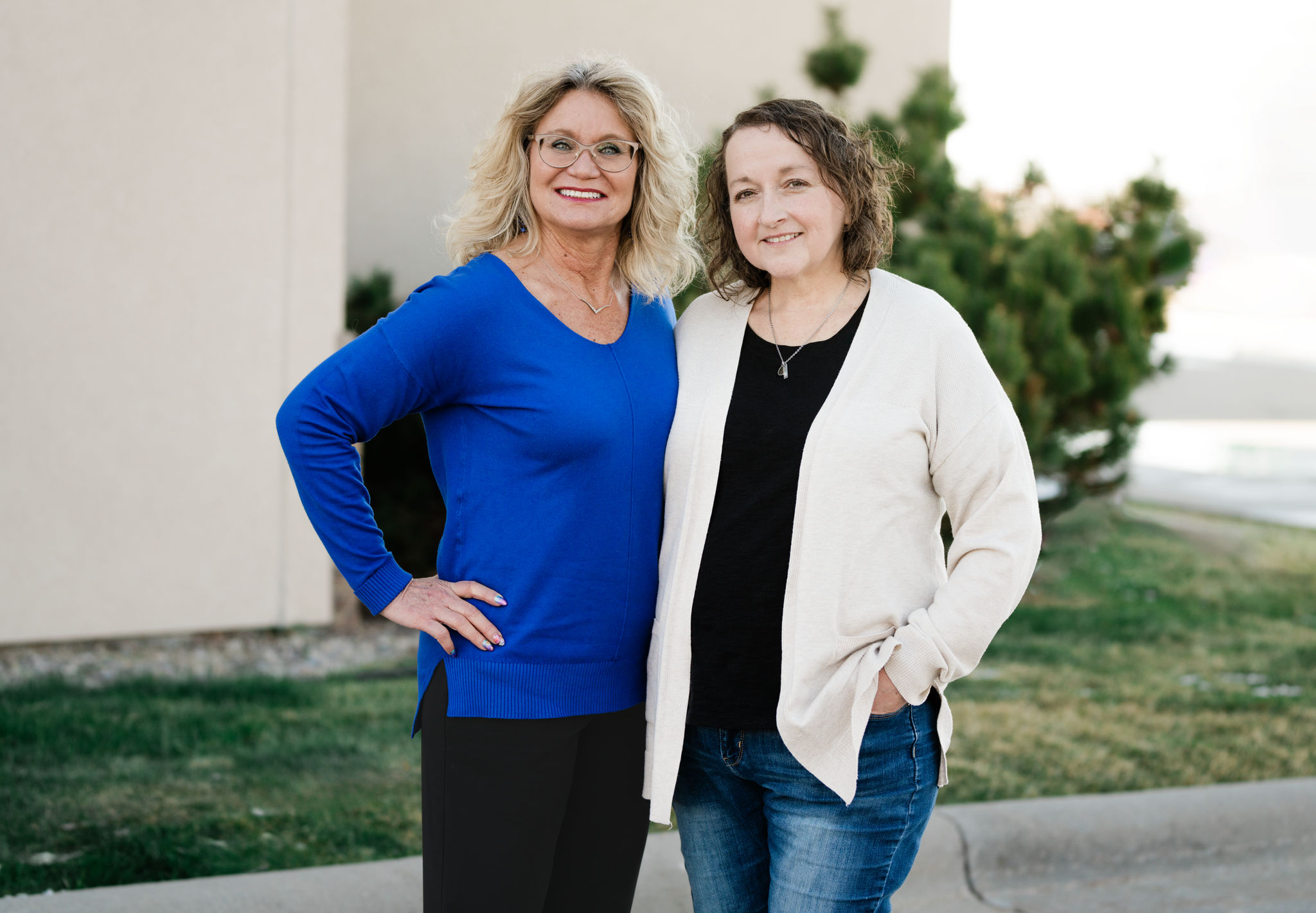
Carol was diagnosed with thyroid cancer
Carol Peterson is 51 years old and lives with her husband in rural Winner, South Dakota. She runs a daycare center in her home and teaches piano lessons in the evening. She has two children, one grandchild and is an active member of her church. Carol has type 2 diabetes. She also has cancer.
In 2022, Carol was diagnosed with papillary thyroid cancer after her primary care provider noticed a lump in her neck. Following her diagnosis, her doctor recommended removing her thyroid. After having surgery in April 2022, Carol was told she was clear of any cancer and returned to normal life. Despite being told she was perfectly healthy, Carol continued to feel sick.
An unexpected lung cancer diagnosis
"I just felt lousy," Carol said. "I felt like I had been hit by truck." Prior to her first cancer diagnosis, Carol had a bad case of COVID. Doctors said it was normal to have a cough for a while after having COVID and she didn’t think much of it. However, as Carol continued to struggle with her cough months after recovering from the virus, her regular activities like walking her dog every morning got harder and harder.
"I had to keep telling my husband to slow down," Carol said. "I was struggling to breathe, and we both knew something wasn’t right."
Carol went to see her primary care provider and was told she would need to be hospitalized.
On Aug. 24, 2022, Carol was admitted to the hospital in Winner for suspected pneumonia. Following a poor reaction to a treatment she received in the hospital, a CT scan confirmed her worst fear.
"My doctor looked at me and said, ‘As your friend and as your doctor, I think you have lung cancer, and we need to get you to Sioux Falls.'" Carol said.
Once Carol arrived in Sioux Falls, she had several ounces of fluid drained from her lungs. She received her official diagnosis an hour before she was discharged from the hospital. She had stage 4 lung cancer.
"How can I have late-stage lung cancer? How does this happen?" Carol asked. "I don’t smoke, my husband doesn’t smoke, no one in my family smokes. How could I already be late stage?"
As Carol began to research her condition online, she became more and more depressed as she found that most people with late-stage lung cancer only live three to six months after their diagnosis.
"I just kept thinking 'We just became empty nesters. We have big plans.’”
Carol’s diagnosis was confirmed by her oncologist in Sioux Falls and by the Mayo Clinic in Minnesota. Both teams believed that because Carol had limited risk factors for lung cancer, it was likely her cancer was caused by a genetic mutation. Testing confirmed their suspicion and Carol began treatment.
How Carol stays engaged in her cancer care
She maintains a great relationship with her providers
It’s been more than a year since Carol received her second cancer diagnosis and has returned to her relatively normal life. She takes eight oral pills a day to manage her lung cancer and sees her doctor for scans and bloodwork regularly.
Carol has developed a strong relationship with her oncologist and still leans on her primary care provider for support. "My oncologist is an amazing doctor," Carol said. "He’s very upbeat and he’s just the kind of doctor I needed."
Take an active role in your care with myWellmark®
Staying involved in your health care can save your life. myWellmark makes it easy to search for a trusted provider in your area and keep track of the benefits and preventive services you’ve used throughout the year. Get started by logging in to myWellmark.
Case Management supports Carol's recovery
Carol also participates in Wellmark’s Case Management Program. In this program, Case Management nurses and social workers support members who have severe or complex health conditions, including cancer. The nurse or social worker will guide members through the complex health care system by providing care coordination, education and help in finding resources or services to support their current treatment plan. Case Management focuses on improving or maintaining the member’s health through quality, cost-effective care and helps to reduce unplanned or unnecessary care.
Carol's Case Management nurse offered guidance to help her manage her diabetes with medication adherence and dietary considerations, while navigating the effects of her new cancer treatment, thus minimizing unplanned care. The nurse also connected Carol to resources to help her manage health care costs associated with her treatment. Through this traumatic time in her life, Carol and her Case Management nurse developed a trusting, therapeutic relationship, and Carol leaned on her for emotional support.
"My case manager has always been really helpful," Carol said. "They call and check in on me. They give me resources to look at, and websites I can go to if I need assistance to pay for my scans and other things. They make sure my diabetes is doing OK and ask about my weight. I love it when they call because it’s just so helpful and encouraging to talk to someone."
Although she doesn’t walk her dog nearly as much, Carol still works as a daycare provider and teaches piano. Her and her husband also welcomed their first grandchild last summer.
"I have so much to live for now that we have a grandson," Carol said. "No matter what happens, I’m going to fight to stay alive because I don’t want to miss out on anything with him."
What to know about cancer detection and prevention
Due to disruptions in care during the pandemic, there has been an increase in late-stage cancer diagnoses. The likelihood of surviving cancer increases with early detection. While Carol was up-to-date on her preventive care when she received her lung cancer diagnosis, her strong relationship with her primary care provider gave her the confidence to speak up when she knew something wasn’t right with her body and ultimately saved her life. A good relationship with your health care provider can be critical components to cancer detection and prevention. Here’s how:
- Know your family history and risk factors. Genetics can greatly impact your risk for cancer. Knowing your family medical history and discussing it with your primary care provider (PCP) can help your provider know what preventive screenings and tests you may need and when you should begin them.
- Make healthy lifestyle choices. Your diet, activity level, environment and lifestyle choices can also put you at risk for certain cancers. Eating a balanced diet, getting at least 150 minutes of physical activity per week and reducing your stress can decrease your risk for cancer.
- Stay current with your preventive care. Seeing your PCP at least once a year for your annual wellness exam helps your provider determine cancer risk factors, and they will also examine you for cancer in several ways including physical exams, imaging and lab tests.
Preventive care is a covered benefit, so you’ll likely pay nothing for your visit, but you should still register or log in to myWellmark to check your benefits before your visit.