Working past 65: Medicare considerations for employers

Not all employees will enroll in Medicare on a traditional retirement timeline. In this episode of Health Matters, Tyler Elliott, Medicare group consultant at Wellmark, discusses the most common Medicare questions you may hear from employees approaching retirement.
The episode explores:
- What employees working past 65 need to consider as they approach Medicare eligibility.
- How Medicare enrollment can affect health savings account (HSA) contributions.
- What employees should know about Medicare enrollment periods and preparing for retirement.
- Where employers and employees can turn for help comparing coverage options and navigating their next steps.

What employers need to know about Medicare
Transitioning to Medicare is a big deal for you and your employees. With more than 85 years of service, Wellmark can help you build the knowledge you need to prepare employees for this transition and set them up for Medicare success. Here are four Medicare topics employers should know about.
1. Enrollment timelines
Most employees will first enroll in Medicare during their Initial Enrollment Period, which begins three months before their 65th birthday and ends three months after they turn 65. Depending on their situation, they may enroll before this time or choose to delay enrollment and stay on their employer-sponsored health plan.
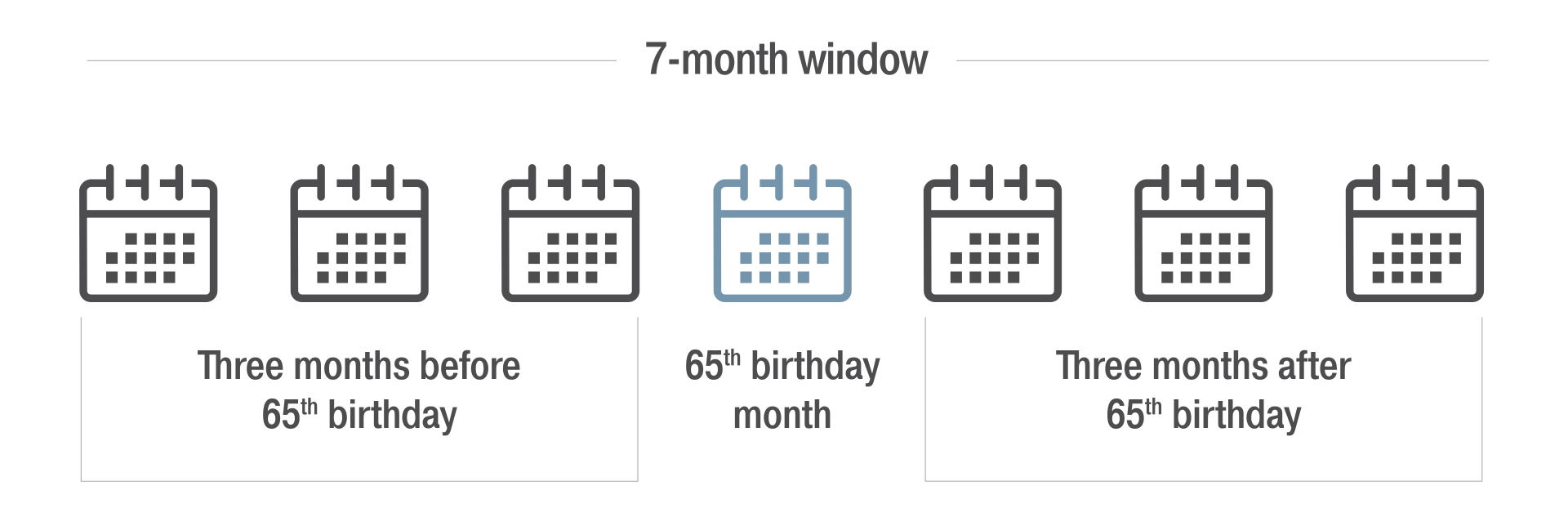
Timeline showing a 7‑month enrollment window centered on a person’s 65th birthday month. The window begins three months before the 65th birthday month, includes the birthday month, and ends three months after the 65th birthday month.
2. Delaying enrollment and creditable coverage
Medicare-eligible employees may delay enrollment if they have creditable coverage through their employer-sponsored health plan. For health coverage to be considered creditable, the plan must offer the same or more coverage than Original Medicare.
3. Using HSA funds
Once your employees are enrolled in Medicare, they can no longer contribute to a Health Savings Account (HSA). They can, however, still use the remaining funds to pay for health expenses like premiums and copays.
4. COBRA coverage
Some employees may choose to enroll in COBRA coverage once they retire and their employer-sponsored coverage ends. It’s important to note that, in most cases, COBRA does not offer creditable coverage. Employees working past age 65 should enroll in Medicare during their Initial Enrollment Period or as soon as their employer-sponsored coverage ends to avoid late enrollment penalties.
Another great listen for employers with Medicare-age employees
Want to learn more about these Medicare topics? Hear more from Tyler as he shares more details on these four key Medicare topics and how Wellmark can help both employers and employees navigate the transition to Medicare.
Partner with a Wellmark Medicare Consultant
Your employees will look to you to answer their Medicare questions. When you connect with a Wellmark Medicare Consultant, you get the comprehensive support, tools and resources you need to effectively prepare employees for retirement. Not only do Wellmark Medicare Consultants answer your questions, but they also work directly with your employees to help them understand Medicare in preparation for retirement. Contact a Wellmark Medicare Consultant today.